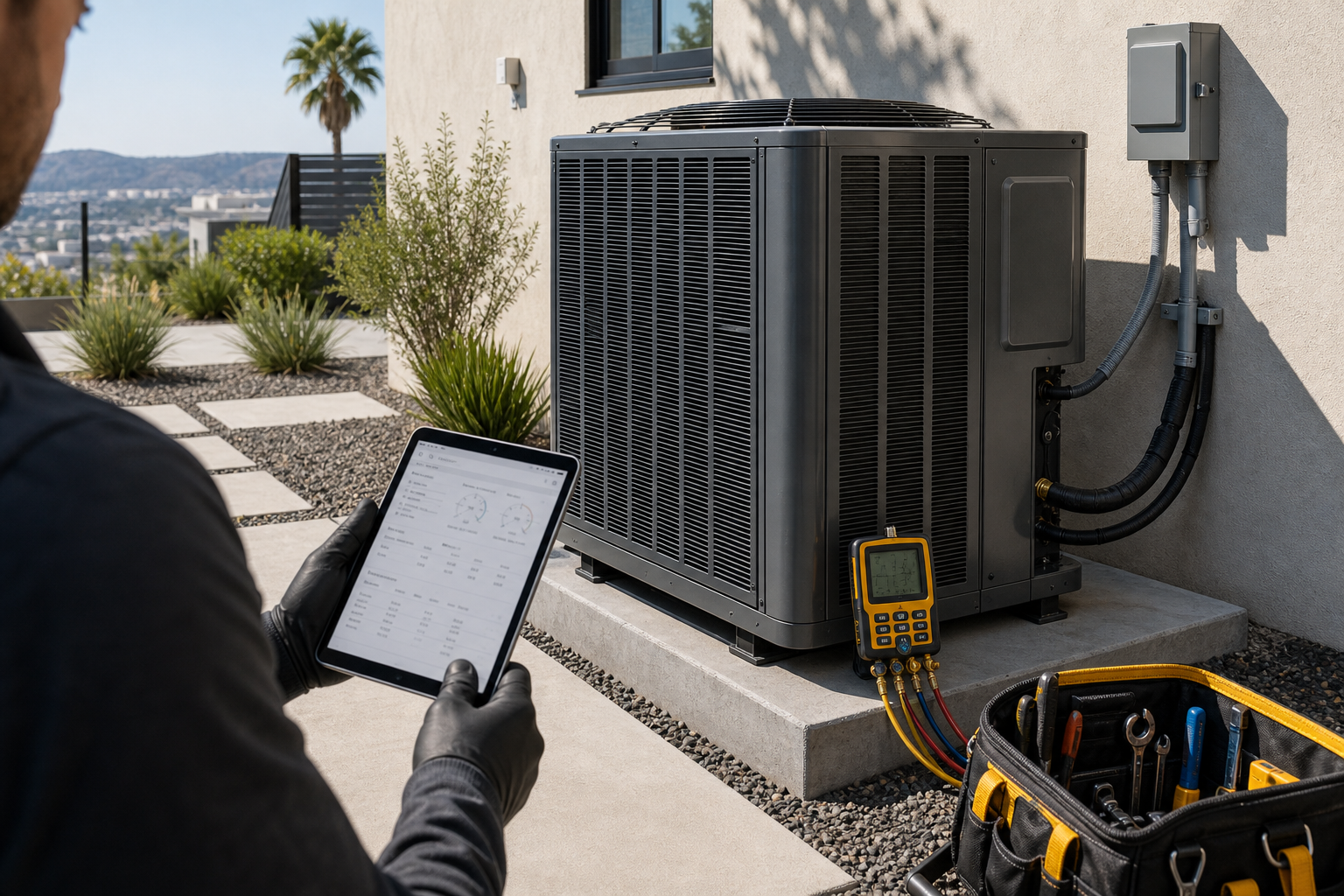
Heat Pump Installation
replace aging gas heat and old AC with an efficient all-electric or dual-fuel system sized for the actual Los Angeles home
Cali HVAC installs heat pumps, AC replacements, ductless systems, rooftop units, airflow upgrades, filtration, and controls with a closeout record built for accountability.
Most contractor pages sell comfort with the same generic language. This site is built around what actually reduces install risk in Los Angeles: the measured record that shows what was selected, installed, configured, and handed over.
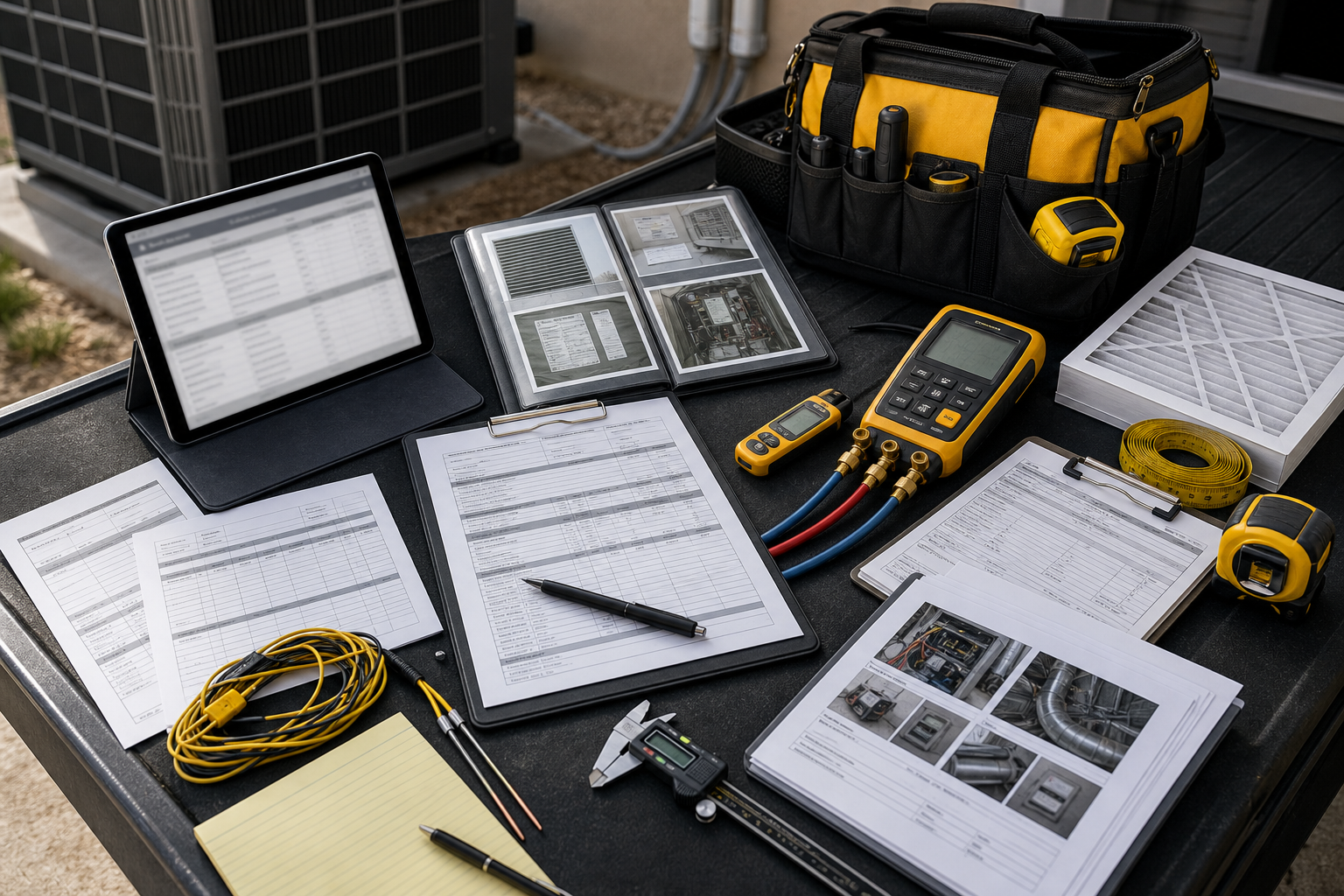
Installation pages prioritize long-tail intent: city plus service, brand plus service, city plus install proof, and homeowner questions around startup readings, airflow, permits, rebates, and premium equipment.
replace aging gas heat and old AC with an efficient all-electric or dual-fuel system sized for the actual Los Angeles home
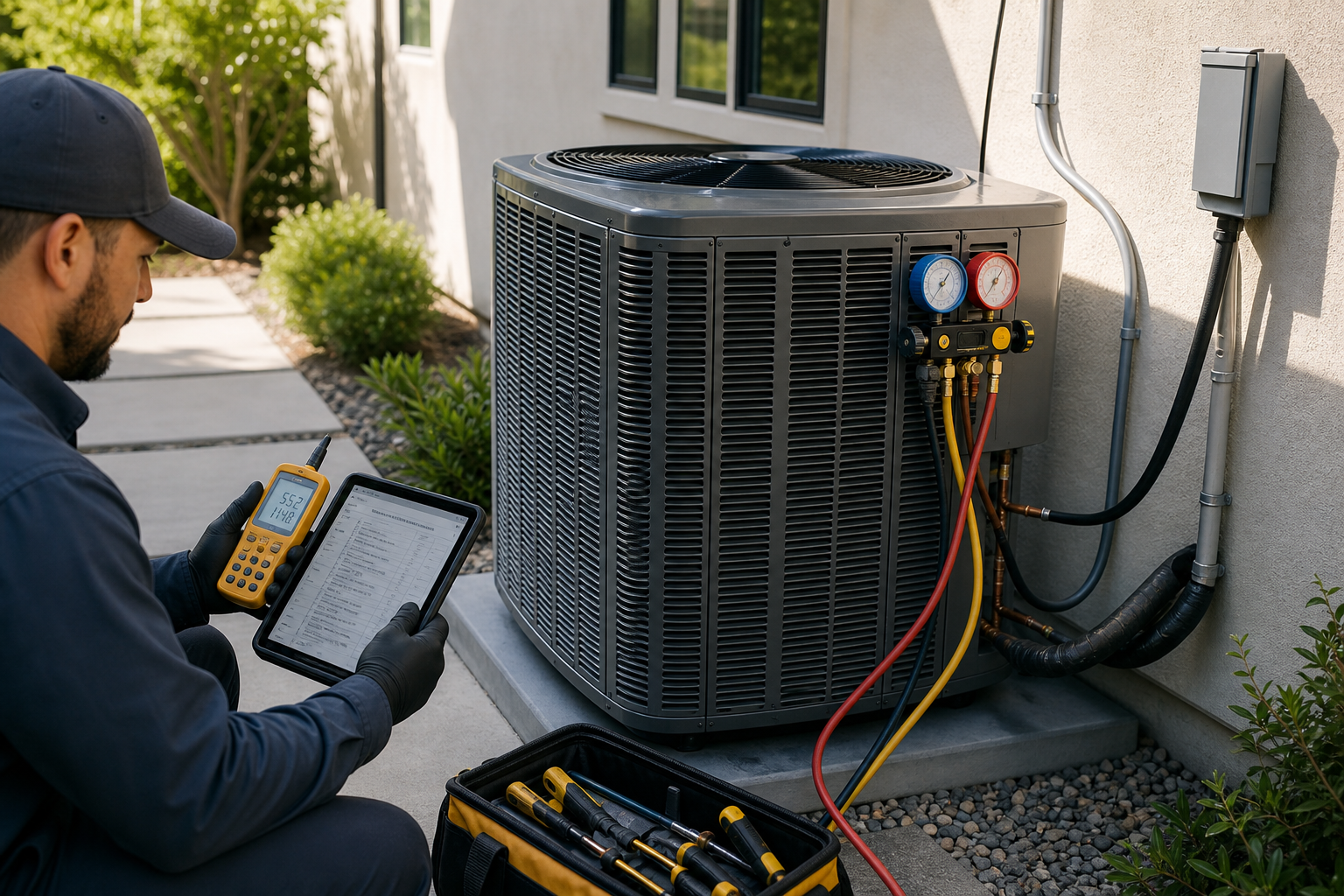
replace failed or inefficient central air systems with measured airflow and startup proof instead of copying the old tonnage
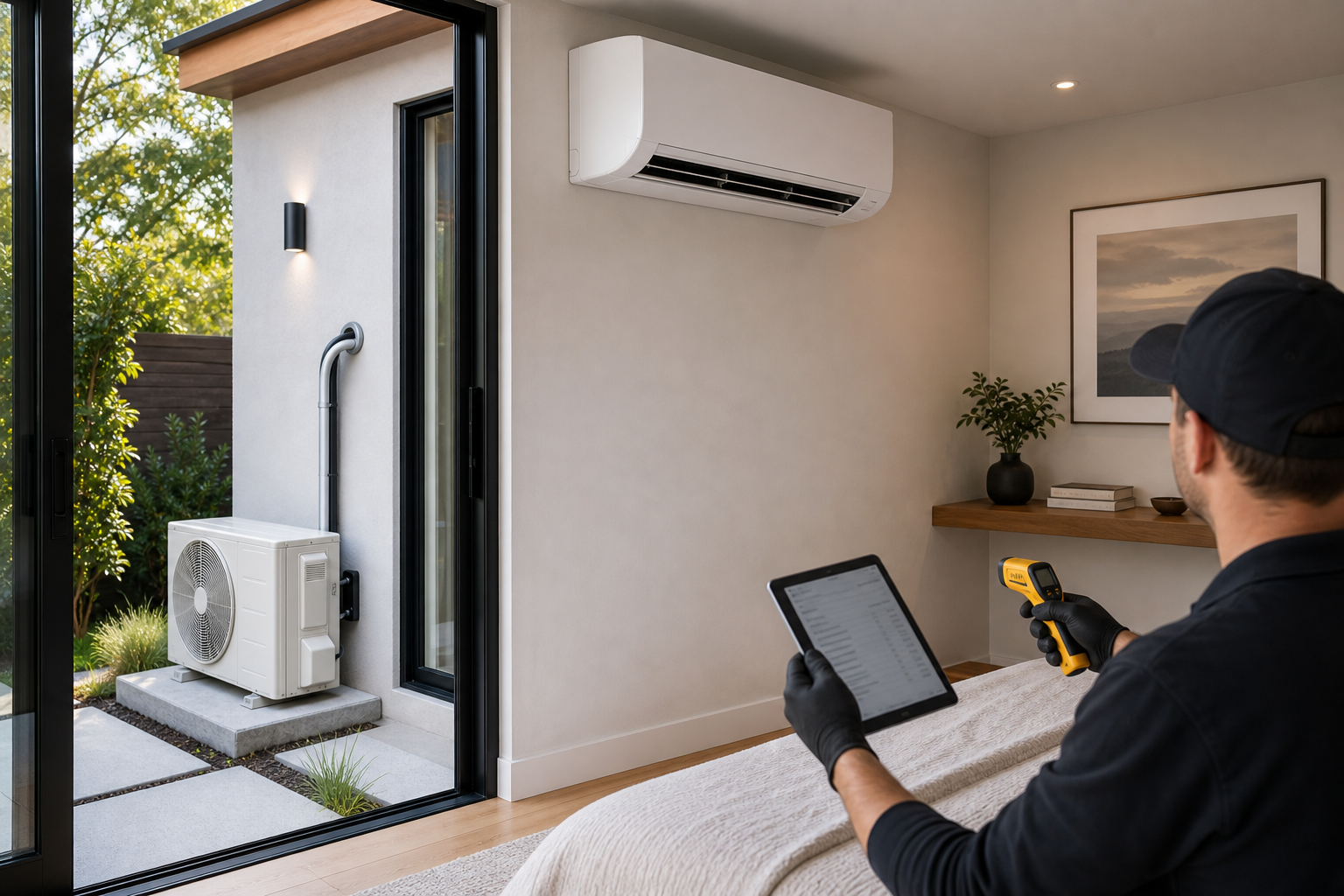
add room-by-room comfort for ADUs, studios, offices, garages, and rooms where ducts are the wrong tool
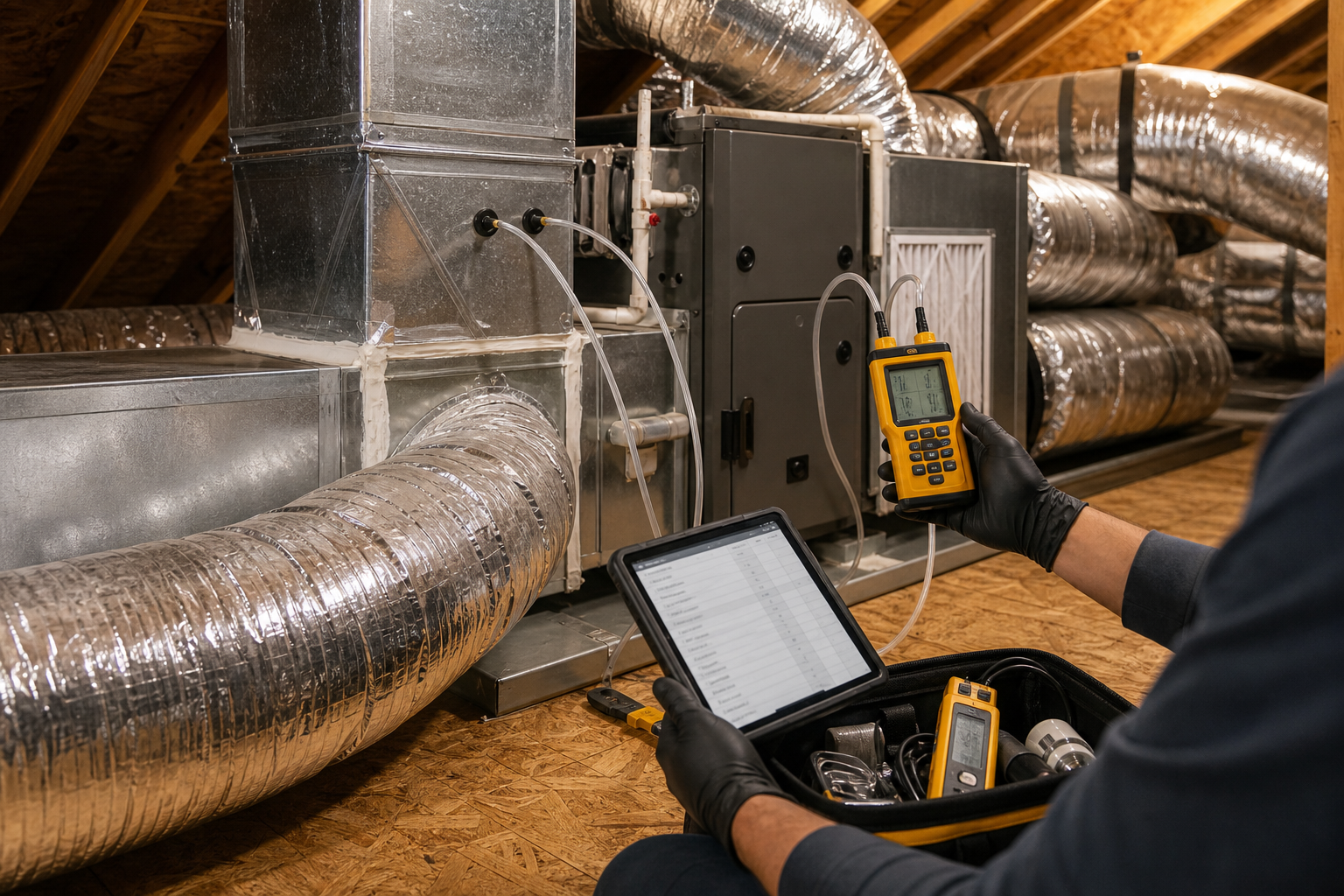
fix the ducts, returns, and leakage that decide whether new equipment can actually move comfort through the home
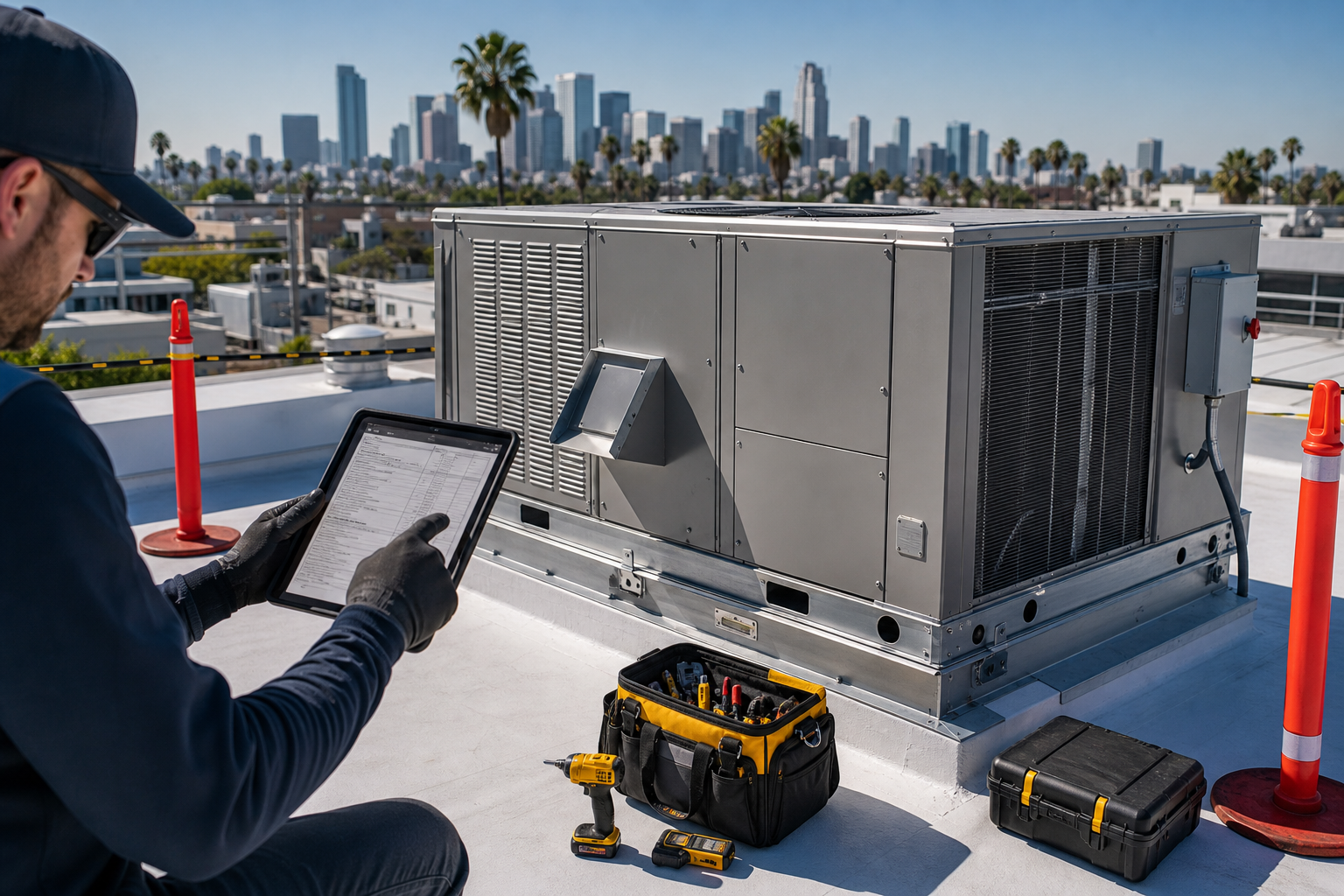
replace rooftop package equipment for homes, condos, and multifamily properties with access, crane, and tenant documentation
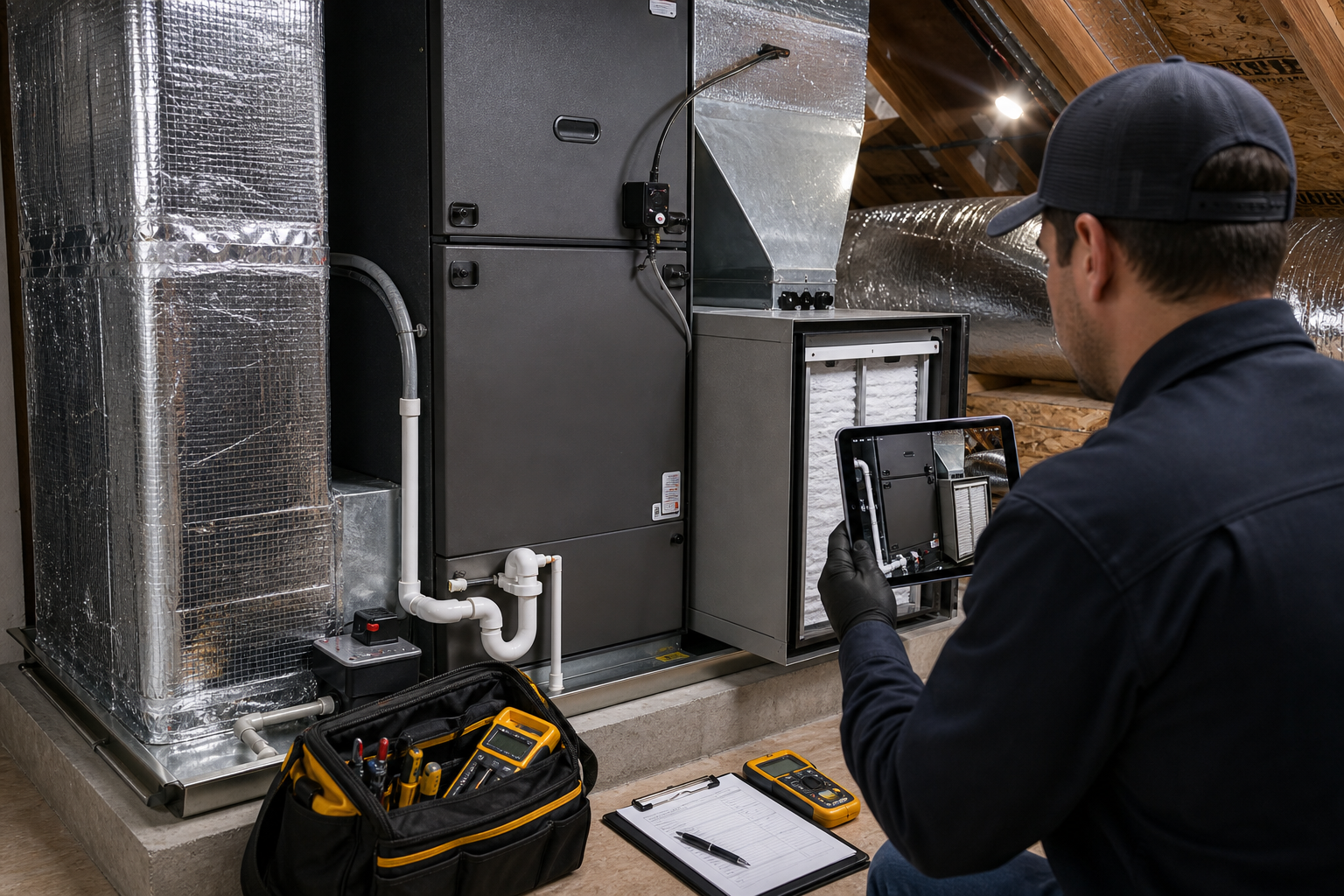
replace the indoor side of the system with attention to coil match, cabinet fit, drains, filters, and service access
The site covers hillside homes, coastal salt, Valley heat, dense condo access, foothill smoke, ADUs, rooftops, and preservation-sensitive properties without pretending every Los Angeles address has the same HVAC problem.
citywide installs need a record that separates equipment performance from building constraints
coastal installs should document clearances, sound, and corrosion planning before startup
premium work needs a closeout file clear enough for owners, reps, and property staff
documentation reduces approval friction and proves the replacement was not guessed
the proof pack should show which building zone the new system actually solves
commissioning needs to prove airflow and filtration without damaging the house character
access and serviceability notes keep a difficult install from becoming neglected equipment
startup documentation keeps fast replacement work from hiding airflow or electrical issues
room-by-room readings help prove a zone was placed for comfort, not the easiest wall
the install record should show whether ducts can carry the promised capacity
system labels and readings prevent one blended quote from hiding which zone failed
commissioning should prove performance under a realistic valley load, not mild weather only
Mitsubishi, Daikin, Bosch, Trane, Carrier, Lennox, Fujitsu, American Standard, Rheem, and Bryant all get brand pages tied back to commissioning proof instead of thin manufacturer summaries.
Which system type fits the home, what installation details can make that brand underperform, which startup records belong in the file, and how the homeowner should compare two quotes using the same equipment name.
"New build with a rooftop package by spec. Carrier WeatherMaker 48TC 5 ton, R-454B, 230V/1-phase, dead-load rating coordinated with the structural drawings, NEC 110.26 clearance designed in from the start. Title 24 Part 6 §150.2(b) compliance documented and HERS field verification clean."
"Small mixed-use near Larchmont-style commercial strip. Replaced two rooftop York Sunline units at 5 tons each, R-454B, 208V/3-phase. Curb adapters bridged the legacy footprint and the LADBS mechanical permit closed without re-inspection. Tenants saw under 4 hours of downtime per unit."
"Ductwork redesign in a 1940s home. Original supply trunk was 12"x6" and static was over 0.90 in.w.c. They went to 16"x8" with a redesigned plenum, sealed every boot, and AeroSeal finished the rest. Leakage at 4%, final static at 0.42 in.w.c., and the upstairs bedrooms hold setpoint now."
It means the install is closed with evidence: model photos, startup readings, airflow or static pressure notes where relevant, filter size, controls, warranty status, and owner instructions.
The site is installation-first. We handle repair context when it affects replacement decisions, but the main offer is heat pump, AC, ductless, rooftop, airflow, filtration, and controls installation with closeout proof.
Yes. We compare brands through the building, not just brochure specs. Mitsubishi, Daikin, Bosch, Trane, Carrier, Lennox, Fujitsu, and other systems need correct installation and startup documentation.
The City of Los Angeles identifies mechanical HVAC permits as the path for heating, ventilation, and air conditioning work that installs or modifies equipment.
https://dbs.lacity.gov/services/plan-review-permitting/mechanical-hvac-permitsCalifornia lists the 2025 Building Energy Efficiency Standards as effective for permit applications submitted on or after January 1, 2026.
https://www.energy.ca.gov/programs-and-topics/programs/building-energy-efficiency-standards/2025-building-energy-efficiencyLADWP publishes residential Consumer Rebate Program rules for heat pump HVAC equipment, including up to $2,500 per ton for qualifying systems purchased and installed on or after November 1, 2025, with eligibility tied to SEER2/HSPF2 rating, invoice detail, AHRI match, final approved permit, and program funding.
https://www.ladwp.com/residential-services/assistance-programs/consumer-rebate-program?isNoLocale=trueTECH Clean California states that HEEHRA single-family rebates were fully reserved statewide as of February 24, 2026, and that Southern California single-family rebates were fully reserved as of January 7, 2026. Waitlisted projects are only eligible if installed after reservation approval.
https://techcleancalifornia.net/incentives/single-family-incentives/